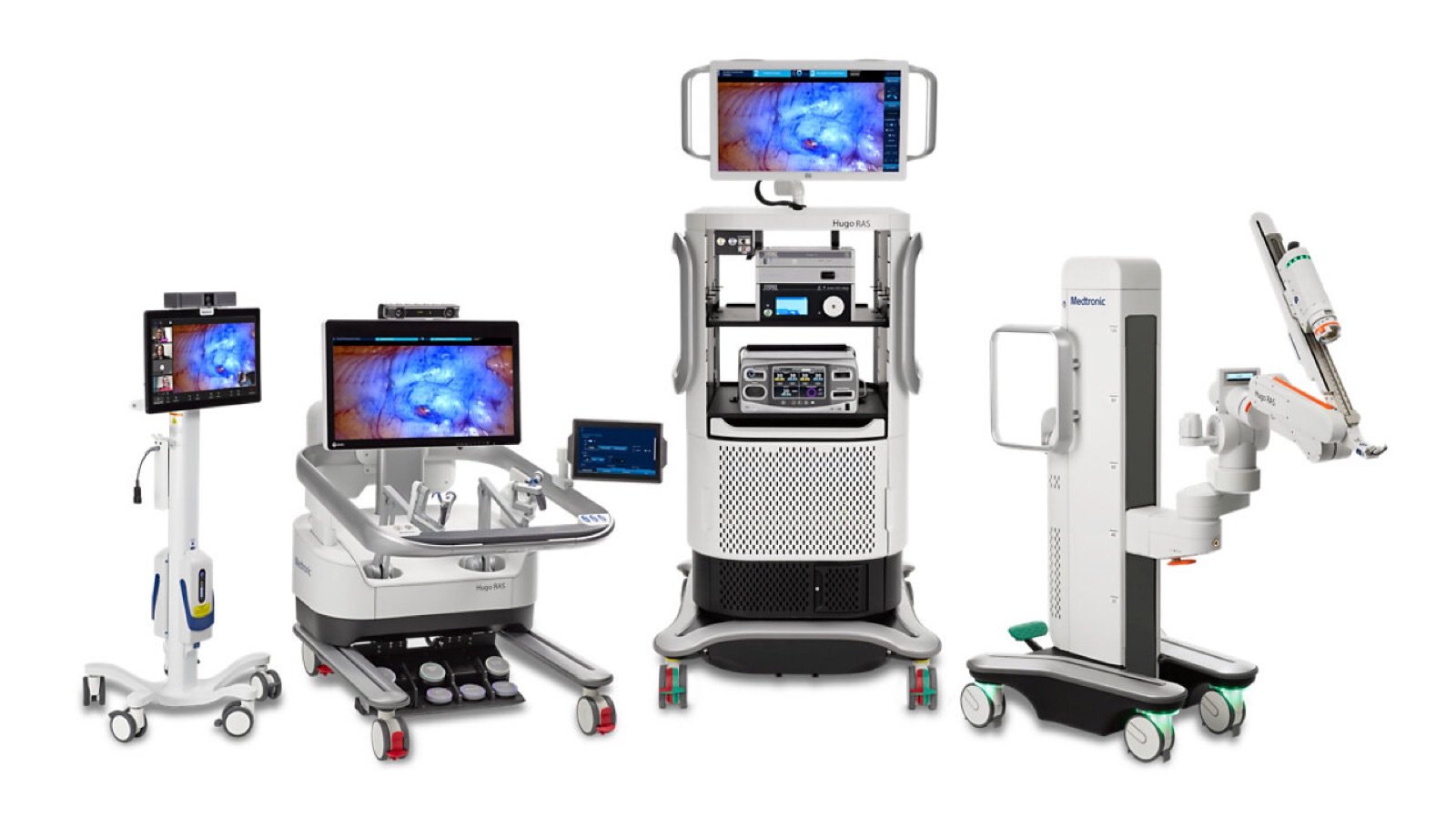
Virtuoso Surgical's bladder robot wins De Novo, creating a new FDA device category
The Oct. 30 grant sets up an FDA classification for electromechanical systems used in endoluminal surgery, with Virtuoso's endoscopy system the first in it. The Nashville company plans a focused rollout at U.S. urology centers in 2027.
The Food and Drug Administration opened a new device classification when it granted Virtuoso Surgical's De Novo request on Oct. 30, and the Nashville, Tenn., company's robotic endoscopy system is the first product to fall under it. Virtuoso announced the authorization Nov. 10.
Why it matters: A De Novo grant creates a new device type with its own regulation and product code, and later devices of the same type can generally seek 510(k) clearance by citing an authorized device as their predicate. Here the new type is electromechanical surgical systems for endoluminal procedures, regulated under 21 CFR 878.4967 and product code SJS, and Virtuoso's system is the category's first device, the company said.
The grant, De Novo number DEN250054, covers the Virtuoso Endoscopy System. According to FDA's De Novo database, the agency received the request on Oct. 1, 2025, and decided it 394 days later; the general and plastic surgery panel handled the review. FDA had given the system Breakthrough Device designation in September 2025, the company said.
It was one of only two De Novo grants with October decision dates in openFDA's dataset, alongside a Roche Diagnostics test.
Robotic surgery is on regulators' agenda. FDA's device center listed final guidance on premarket submissions for robotically assisted surgical devices among its fiscal 2027 priorities, and nine days before Virtuoso's grant, the agency cleared CMR Surgical's Versius Plus robot for gynecologic procedures.
How the system works
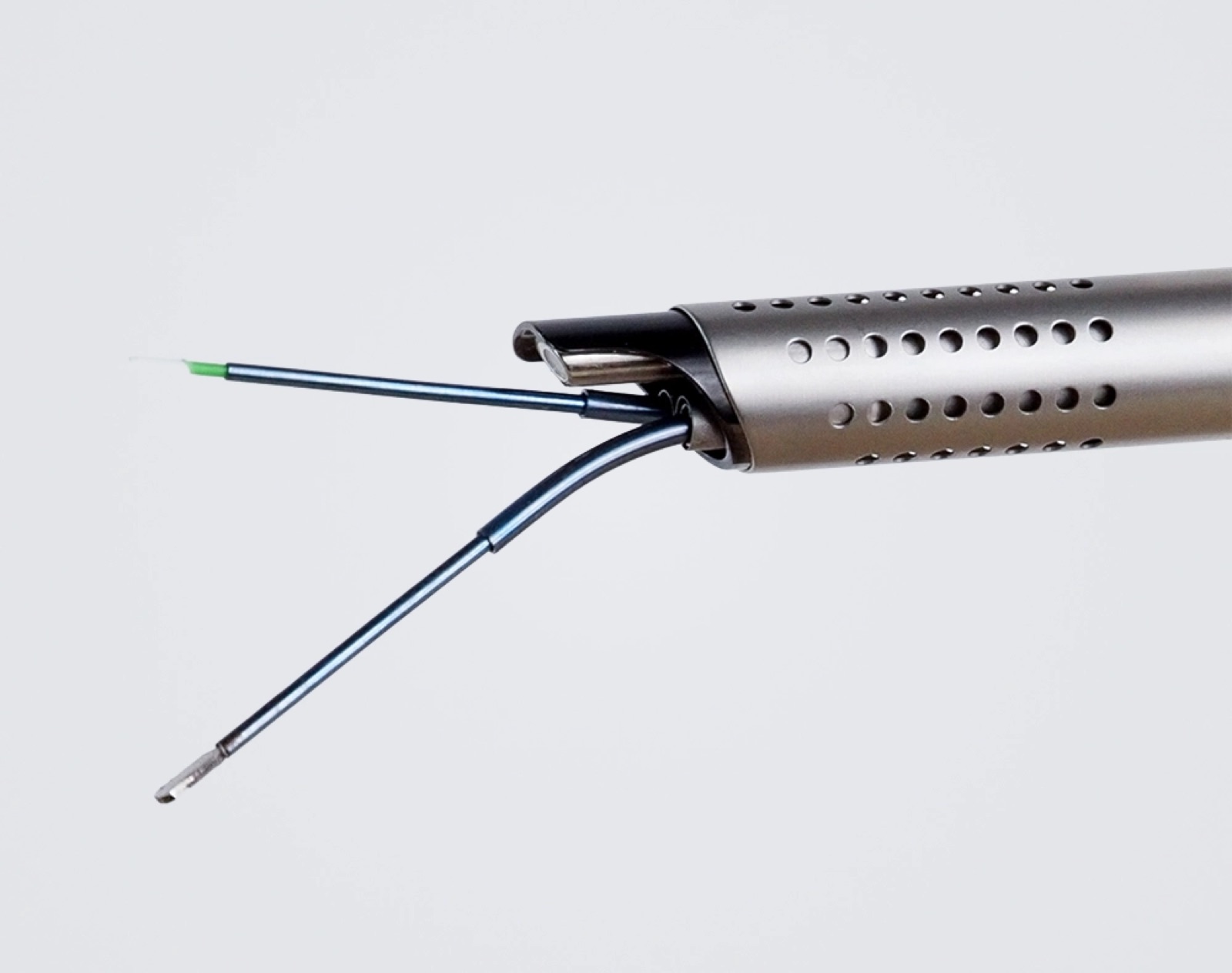
Endoluminal procedures are those in which surgical instruments are passed into the body through an endoscope, as MedTech Dive described the category. Virtuoso said the system mounts two needle-sized robotic arms on the end of a rigid endoscope, so a urologist can work with both hands during en bloc resection, in which a bladder lesion is removed in one piece. The procedure is performed through the urethra without incisions, MedTech Dive reported.
In standard resections, tumors are usually taken out in pieces, the company said, according to MedTech Dive. Virtuoso said removing a lesion intact is meant to give pathologists the tissue they need for diagnosis, including detrusor muscle, which MedTech Dive described as necessary for staging the cancer.
"Removing a tumor intact can provide a better tissue specimen, which supports clearer diagnosis and staging," Dr. Duke Herrell, a urologic surgeon and Virtuoso's chief executive, said, according to MedTech Dive.
Data and launch plans
MedTech Dive reported that the supporting VIABLE study is being run at The Chinese University of Hong Kong. Among the first 20 patients, 94% of removed lesions included detrusor muscle, exceeding a 60% performance goal set for the study, and the company reported no adverse events during surgery, according to the outlet's account of its announcement. Those figures come from the sponsor and from a small, early group of patients.
Virtuoso said it plans to launch in the U.S. in 2027, starting with a focused rollout at urology centers. MedTech Dive reported that the company is looking at other specialties that rely on rigid endoscopes and has finished early feasibility testing, not in humans, in gynecology, lung procedures and neurosurgery.
The company's materials state that the device is authorized only for its stated indication and that other uses are investigational. Virtuoso did not say how it will finance the launch.