October 510(k) clearances dip to 293 while China-based applicants' share climbs to 21%
FDA's clearance count fell from 318 in September and 303 a year earlier, according to openFDA data. Orthopedic devices led the review panels, and general surgery clearances fell by about a third from October 2025.

The Food and Drug Administration cleared 293 medical devices through the 510(k) pathway in October, down from 318 in September and 303 in October 2025, according to openFDA data. Applicants based in China received 61 of those clearances, about 21%, up from about 16% a year earlier.
Why it matters: The 510(k) route, in which FDA finds a device substantially equivalent to one already on the market, produced 293 clearances in October; FDA also issued three original premarket approvals and granted two De Novo requests that month. Within that volume, two shifts stand out for device makers and investors: a larger share of clearances went to China-based applicants, and the busiest review panel moved from general surgery to orthopedics.
October's total sits in the middle of the past year. Monthly 510(k) clearances from November 2025 through October 2026 ranged from 205 in November 2025 to 324 in June and averaged about 275, according to openFDA counts. October came in about 8% below September but above July's 278 and August's 248.
The figures reflect openFDA's 510(k) dataset as last updated Nov. 2, in which the latest decision date is Oct. 30. Later updates could add records.
U.S.-based applicants received 153 clearances, or 52%. China-based applicants received 61, up from 48 of 303 in October 2025. South Korean applicants received 18 and German applicants nine.
Most clearances, 238, were traditional 510(k)s. Another 50 were special 510(k)s, a route generally used for changes to a company's own cleared device; three were dual-track and two abbreviated. Four of the 293 carry the database's flag for review by a third party.
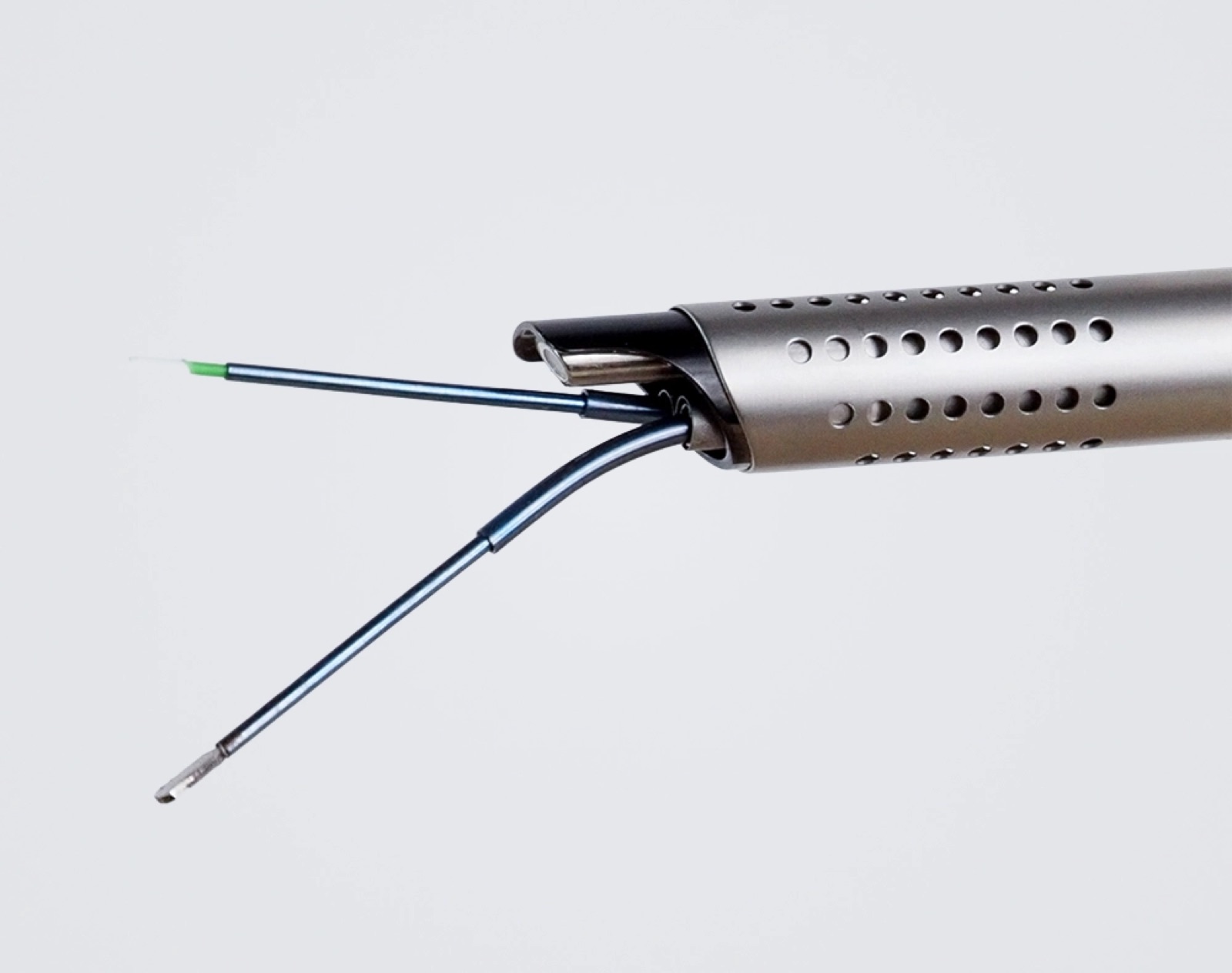
The dataset also lists two De Novo grants with October decision dates, excluded from the count: Roche Diagnostics' Elecsys HBsAg II quant II RxDx test on Oct. 20 and Virtuoso Surgical's Virtuoso Endoscopy System on Oct. 30.
By review panel
Sorted by the FDA panel that reviewed each submission, orthopedic devices led with 42 clearances, about 14% of the total. General and plastic surgery followed with 40, cardiovascular with 34 and radiology with 33. Neurology had 25, dental 24, general hospital devices 19, microbiology 17 and gastroenterology-urology 13.
The remaining panels each cleared 11 or fewer: physical medicine 11, clinical chemistry 10, obstetrics and gynecology seven, anesthesiology and ophthalmic five each, ear, nose and throat four, pathology two, and hematology and immunology one each.
A year earlier, general and plastic surgery led with 59 clearances, ahead of orthopedics with 49 and radiology with 36. Neurology rose to 25 from 17, while gastroenterology-urology fell to 13 from 26.
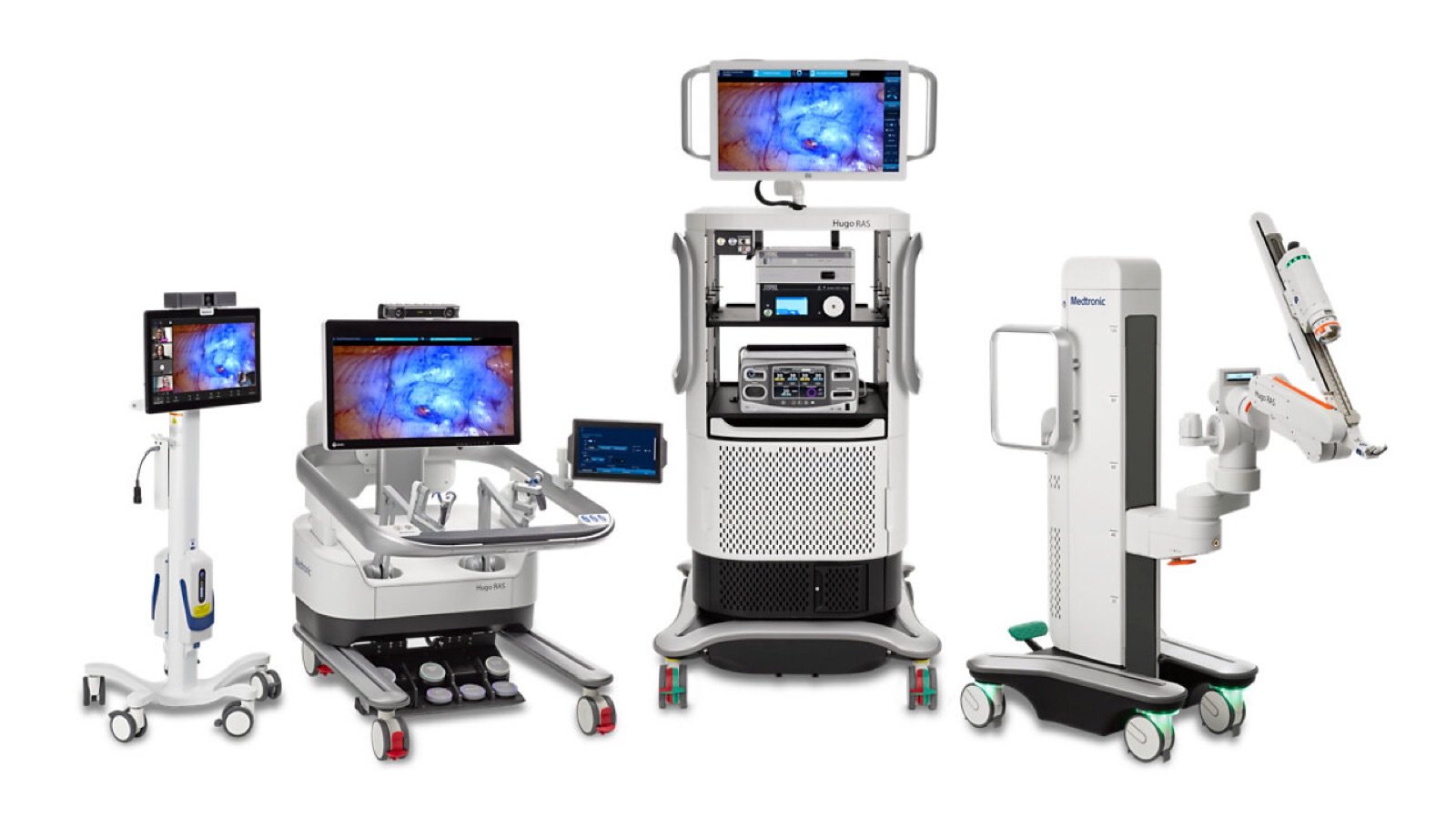
Among October's clearances were CMR Surgical's Versius Plus robot for gynecologic surgery, through the general and plastic surgery panel; Neocis's Yomi S dental robot for pterygoid implants, through the dental panel; and the twiist insulin dosing algorithm for type 2 diabetes, through clinical chemistry.
November's count will show whether China-based applicants hold their larger share. Because openFDA updates weekly, late-arriving October records could still adjust the totals above.
Method
Counts include records in openFDA's device 510(k) endpoint with a decision date from Oct. 1 to Oct. 31, 2026, and a decision code of SESE, meaning substantially equivalent. Panels come from the field openFDA labels review_advisory_committee, which corresponds to the "510k Review Panel" in FDA's 510(k) database. Applicant country comes from the country_code field. De Novo grants, coded DENG, are excluded. Comparison months were pulled with the same query. The 12-month range and average also count a handful of clearances recorded under variant substantially equivalent codes, such as SESD and SESK; every October clearance is coded SESE, so October's total is the same either way.