FDA device center plans 17 guidances for fiscal 2027, five on software, AI and cybersecurity
CDRH's lists name 17 documents, and final guidance on AI-enabled device software is an A-list priority. Comments are due Nov. 30.
The Food and Drug Administration's device center has named the guidance documents it plans to work on in fiscal 2027, and a large share of them are about software.
The Center for Devices and Radiological Health posted its fiscal 2027 guidance lists on Oct. 1, the first day of the federal fiscal year. They name 17 documents.
Why it matters: Guidance documents do not bind companies, but they set out FDA's current thinking, and the annual lists show which expectations CDRH plans to put in writing next. Five of the 17 deal with software, artificial intelligence or cybersecurity, and they appear on all three lists.
What made the lists
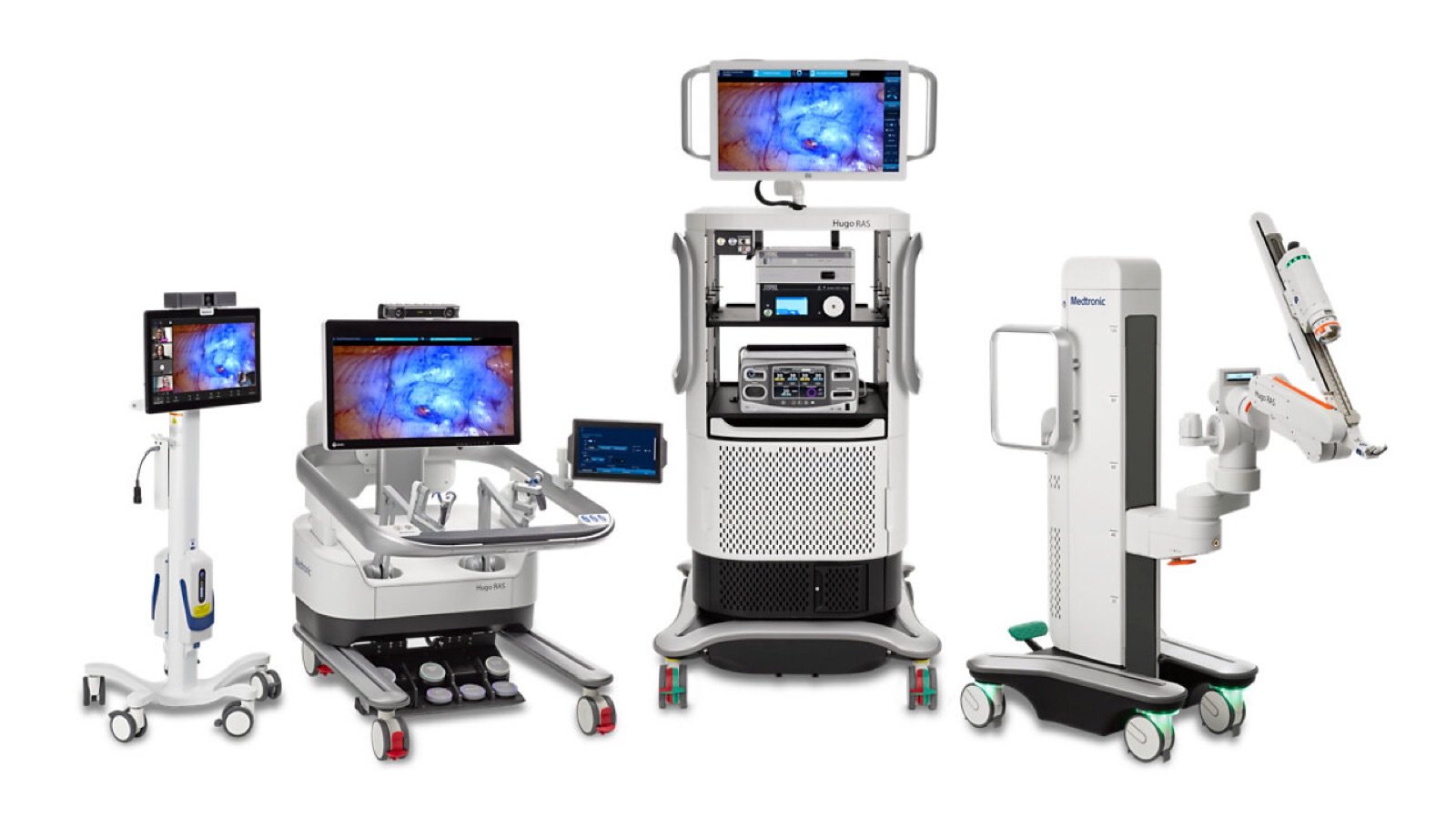
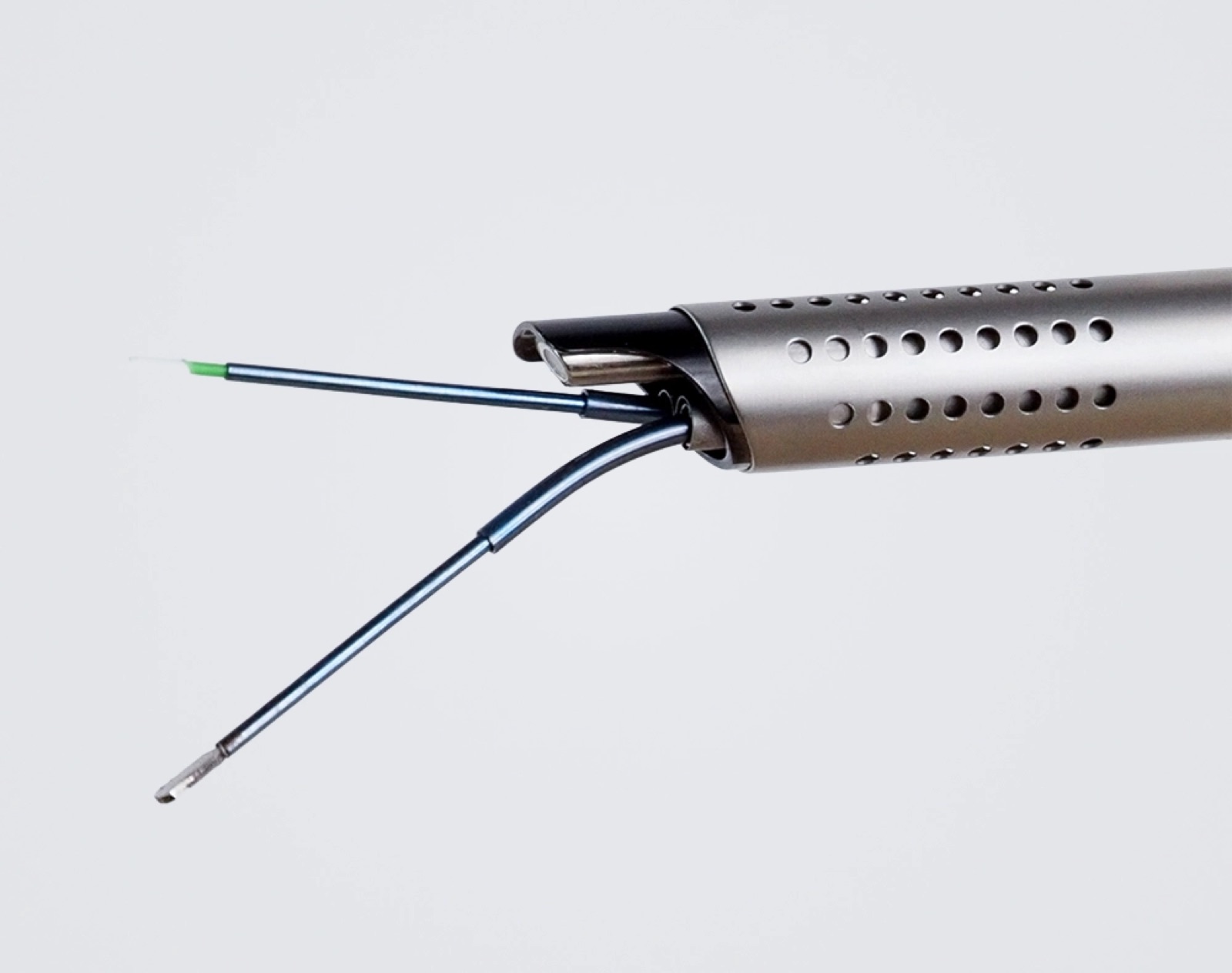
The A-list, which CDRH describes as the priority documents it plans to issue during the year, has eight items. Seven are final guidances. They include "Marketing Submission and Lifecycle Management Recommendations for Artificial Intelligence-Enabled Device Software Functions," final guidance on predetermined change control plans for medical devices, and final guidance on premarket submissions for robotically assisted surgical devices.
The other A-list finals cover respirators approved by the National Institute for Occupational Safety and Health, menstrual product testing and labeling, quality management system information in certain premarket reviews, and the Accreditation Scheme for Conformity Assessment program. The lone draft on the A-list is "Generative Artificial Intelligence-Enabled Conversational Devices for Mental Disorders: Evidentiary Recommendations."
The B-list, for documents CDRH plans to issue if resources allow, has five. Three are finals, on small-business qualification for device user fees, pulse oximeters and the Q-Submission program for feedback and meetings. The two drafts are a revision of the center's software policy, retitled "Policy for Device Software Functions" after dropping "and Mobile Medical Applications," and a document on postmarket management of device cybersecurity.
A third list, labeled "Under Construction," names four documents CDRH plans to develop if resources allow: risk assessment and evidence considerations for generative AI-enabled devices, thermal effects of devices that heat or cool tissue, and two items on the 510(k) program, one on choosing a predicate device and one on evaluating substantial equivalence.
What comes next
CDRH is taking comments through Nov. 30 under docket FDA-2012-N-1021 at regulations.gov. It wants views on how to rank the documents on the A-list and B-list, policy ideas for those guidances and suggestions for new topics, and it asks anyone urging that an existing guidance be withdrawn or revised to explain why.
The center tracks how much of each year's list it actually publishes. For fiscal 2026, FDA said, CDRH published seven of the 11 guidances on its lists, five from the A-list and two from the B-list. The fiscal 2027 tally will show whether the AI, software and cybersecurity documents make it out of the queue.