PulseAI's cleared ECG software reads Apple, Samsung, Fitbit and Withings watch recordings
FDA cleared the Belfast startup's PulseAPI SmartWatch analysis library Oct. 27 under K254226. PulseAI said its focus now is getting the software into devices and platforms that millions of people already use.
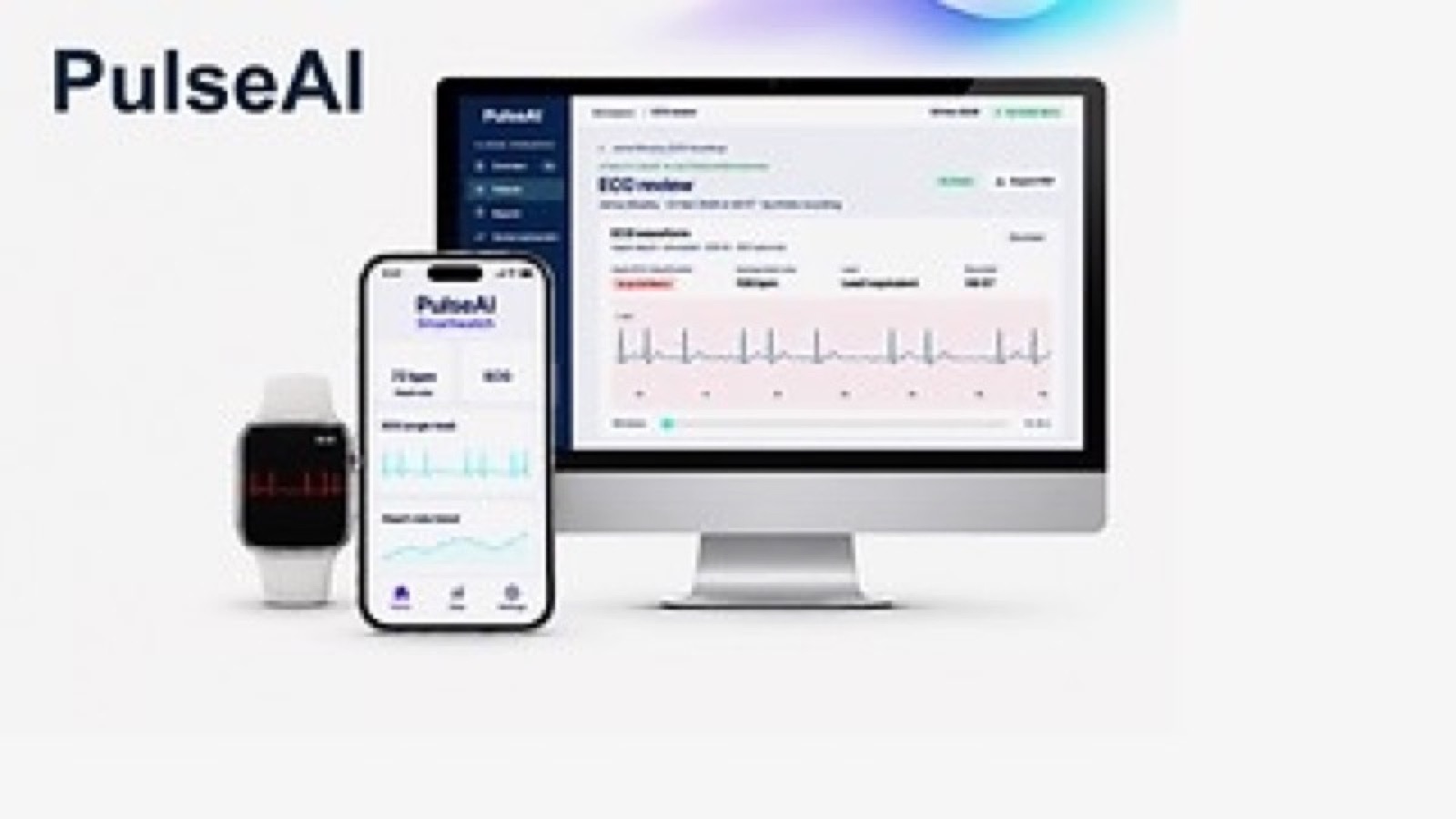
PulseAI's product is software that analyzes heart-rhythm recordings captured by other devices, and the Food and Drug Administration has now cleared it to read ECGs from watches made by Apple, Samsung, Fitbit and Withings. The Belfast, Northern Ireland, company announced the 510(k) clearance Nov. 5. FDA's database shows it was issued Oct. 27.
Why it matters: The clearance gives PulseAI a U.S. regulatory footing for a business built on integration. FDA's summary describes the product as an analysis library meant to be built into other device software, and the company said its focus now is putting it into devices and platforms that millions of people use every day. PulseAI did not name any device makers or platforms it is working with.
What was cleared
The clearance, K254226, covers a product called PulseAPI SmartWatch. FDA received the submission Dec. 29, 2025, and cleared it 302 days later as a traditional 510(k), reviewed by the cardiovascular panel. The device falls under product code DQK and regulation 21 CFR 870.1425. According to the 510(k) summary, the predicate was AliveCor's KardiaAI V2 software.
FDA's records describe the software as intended to assess ambulatory ECG rhythms in adults when a physician prescribes it or oversees its use. It can analyze lead I or lead II recordings from conventional wet-electrode ECG devices or compatible dry-electrode devices. It is not intended for patients with pacemakers, implantable defibrillators or other implanted electronics, or for use in alarm systems or life-supporting equipment.
What the software reports depends on the source device. With Apple Watch Series 6 recordings and wet-electrode ECGs, the summary says, it reports heart rate, flags noisy recordings, analyzes rhythm for sinus rhythm, atrial fibrillation, bradycardia and tachycardia, and can classify individual beats as premature ventricular contractions. For the Samsung Galaxy Watch, Fitbit Sense, Withings ScanWatch and AliveCor's KardiaMobile devices, the summary lists a narrower set of outputs that includes sinus rhythm and atrial fibrillation.
Company claims and backers
PulseAI pitches the software as a way to reduce inconclusive readings, which the company said can lead to manual review by clinicians, repeat recordings and follow-up with patients. It said a 296-participant prospective study, published in the journal Heart Rhythm, found that its algorithm improved atrial fibrillation detection sensitivity and produced 92% fewer inconclusive interpretations than the Apple Watch's built-in algorithm. Those are the company's figures.
"With FDA clearance, our focus now is bringing this capability into the devices and platforms in use by millions every day," Dr. Alan Kennedy, PulseAI's founder and chief executive, said in the announcement.
The company said recordings are sent to the cloud for automated analysis, and structured results go back to the linked app, where clinicians review them.
PulseAI was founded in 2020. It said Innovation Ulster Limited, Ulster University's investment arm, led a recent funding round together with the Mortara Group. It did not disclose the size of the round.
Atrial fibrillation wearables are drawing capital elsewhere, too: StimCardio closed a $30 million Series A in October for a wrist-worn nerve-stimulation device it is developing for the condition. PulseAI's announcement did not say when its software would first reach U.S. users through a partner device or platform.