Medtronic posts $9.4 billion quarter as cardiac ablation sales jump 58% after MiniMed exit
Medtronic held its fiscal 2027 targets after spinning off MiniMed, with electrophysiology driving 10.4% organic cardiovascular growth. A $2.0 billion separation gain more than doubled GAAP profit.
Medtronic said Nov. 24 that revenue for its fiscal second quarter, which ended Oct. 30, was $9.364 billion. That was up 4.5% as reported and 6.5% on an organic basis, which the company said was about 50 basis points above the midpoint of its guidance.
The company also kept its full-year outlook. It still expects fiscal 2027 organic revenue growth of 7.25% to 7.75% and non-GAAP diluted earnings per share of $5.94 to $6.00, even after separating its diabetes business, MiniMed Group, on Oct. 15.
Why it matters: This was Medtronic's first quarterly report since the MiniMed split-off, a transaction the company described as the largest of its kind in medtech. With the diabetes revenue gone, the unchanged guidance rests more heavily on the cardiovascular portfolio, especially electrophysiology. Medtronic also used the quarter to add to its pipeline through an acquisition and regulatory steps.
Where the growth came from
Cardiovascular revenue was $3.785 billion, about 40% of the total, up 10.4% organically. Within that portfolio, electrophysiology sales rose 18.5% organically. Medtronic said its Cardiac Ablation Solutions business grew 58%, including 80% in the U.S., and that it gained 7 points of market share. Interventional cardiology sales were flat on an organic basis.
The other two segments grew more slowly. Neuroscience revenue was $2.705 billion, up 5.1% as reported and 3.2% organically, and neuromodulation sales fell by a low-single-digit percentage. Medical Surgical revenue was $2.245 billion, up 4.4% organically.
The organic figures leave out recent deals. Medtronic excluded $26 million in revenue from Scientia and $28 million from SPR Therapeutics. It also excluded "Other" revenue, which includes diabetes and came to $629 million, compared with $792 million a year earlier.
Earnings and margins
GAAP net income more than doubled to $2.802 billion, or $2.20 a diluted share. The company said a $2.0 billion gain on the MiniMed separation affected the GAAP results. On a non-GAAP basis, net income fell 2.7% to $1.700 billion and diluted EPS fell 1.4% to $1.34, which Medtronic said was 1 cent above the midpoint of its guidance. Non-GAAP operating margin was 23.4%, down 70 basis points.
"We are investing behind our highest-priority growth opportunities while maintaining a disciplined focus on productivity and efficiency," Thierry Piéton, chief financial officer, said in the release. Geoff Martha, chairman and chief executive, said Medtronic would keep investing both internally and "through disciplined M&A."
Deals and pipeline
In November, Medtronic announced plans to acquire Contego Medical, a privately held company working on carotid artery disease and peripheral thrombectomy. The release did not give a price or an expected closing date.
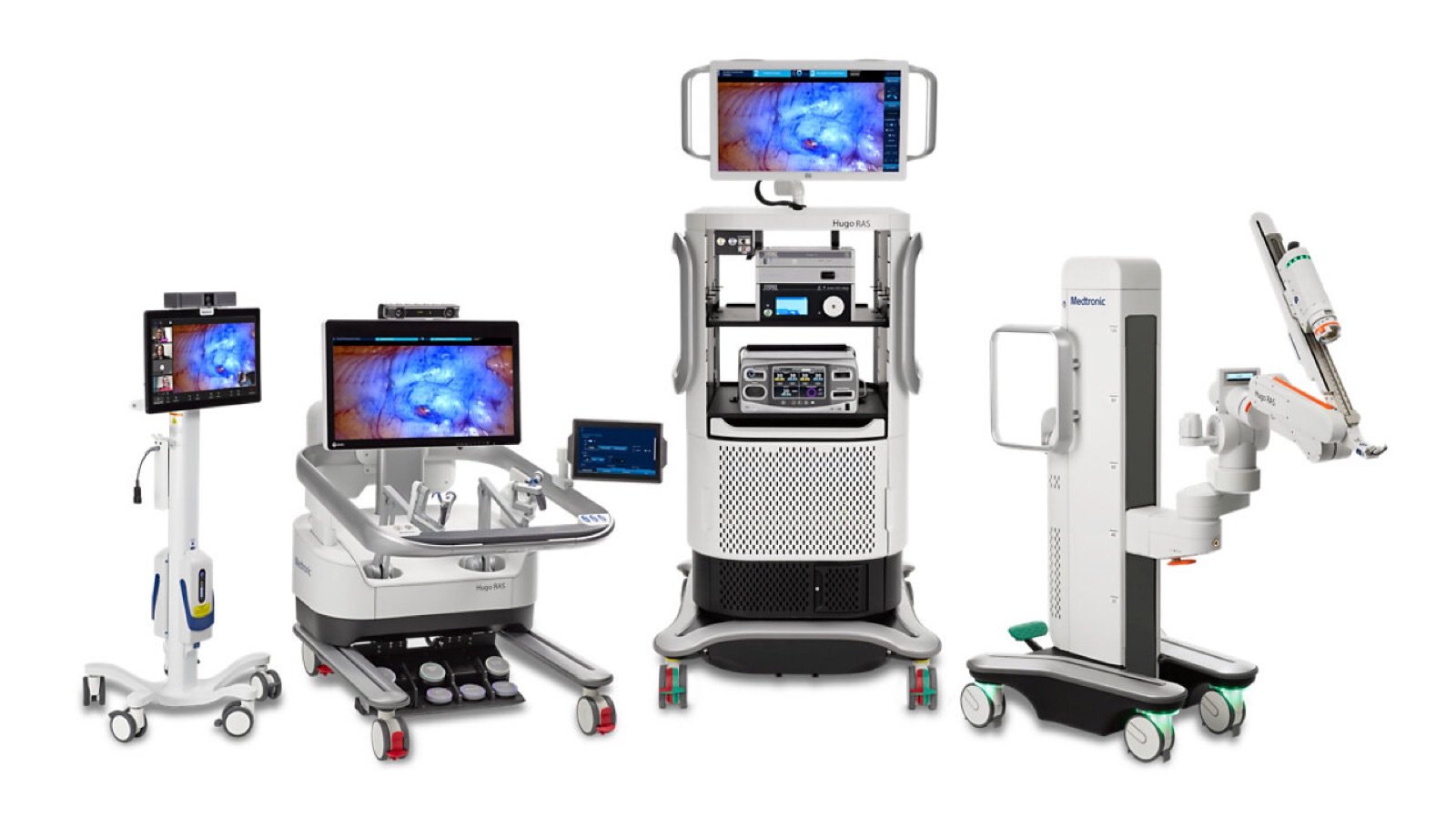
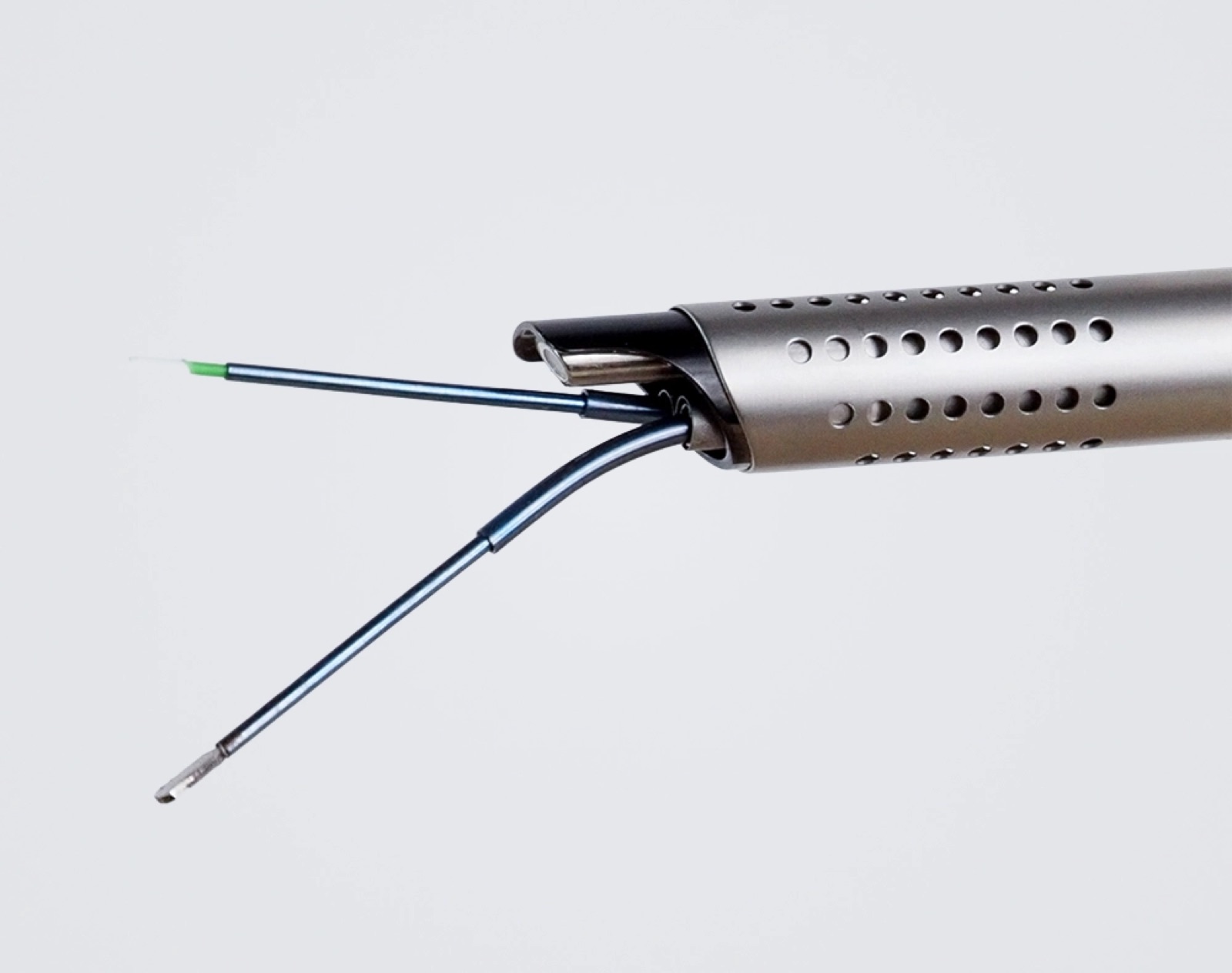
The company also listed several regulatory and reimbursement steps. It finished enrolling patients in the U.S. pivotal trial of its Sphere-360 system. Category I CPT codes for its Altaviva and Symplicity Spyral systems take effect in January 2028. Medtronic also cited FDA clearances for LigaSure RAS and for the Hugo robotic system. Hugo received an expanded 510(k) clearance for general surgery earlier in November, adding to its earlier urology clearance, according to the company's Nov. 17 announcement.
What comes next
Open items include the closing date and price of the Contego deal and the timing of any Sphere-360 trial data now that enrollment has ended. Second-half results will show how the company tracks against its reiterated targets without diabetes revenue. An FDA decision on Hugo for gynecologic surgery, which Medtronic said in June it had submitted, is still pending, and the company has not given a timeline.