Mediwhale gets FDA 510(k) clearance for retinal-image heart risk software
The Seoul company plans to sell Dr. Noon CVD through primary care networks that already run retinal cameras. It did not name partners, pricing, or a launch date.
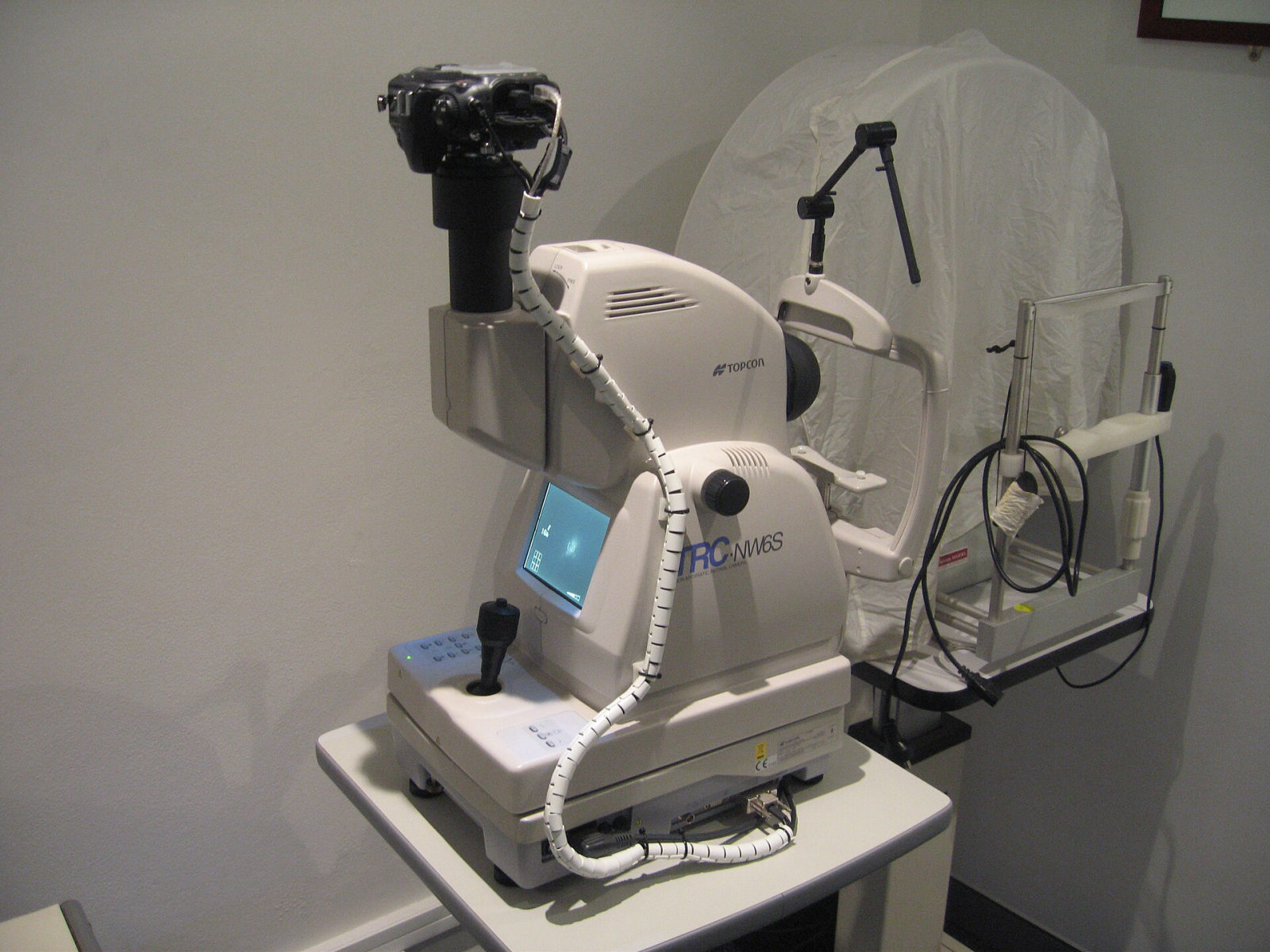
Mediwhale, a Seoul-based health AI company, said Nov. 27 that the FDA has cleared its Dr. Noon CVD software through the 510(k) pathway. The software uses photographs of the retina to estimate a patient's cardiovascular risk, and the company described the clearance as its first from the FDA.
Why it matters: The clearance lets the South Korean company begin offering the software in U.S. clinical practice. Its plan relies on retinal cameras that primary care practices already use for diabetic eye exams, so its commercial path depends on the partners that run those camera networks. The release does not name any of them.
How it works
According to Mediwhale, Dr. Noon CVD applies AI analysis to retinal images and combines the output with a patient's age and sex. From those inputs, it estimates the 10-year risk of a first atherosclerotic cardiovascular disease (ASCVD) event. The company said the software sorts each patient into one of three risk categories, intended to support clinicians' risk assessment together with other clinical information.
A 510(k) clearance means the FDA found a device substantially equivalent to one already legally on the market. It is not an approval.
Mediwhale linked its U.S. entry to the 2026 ACC/AHA multisociety guideline on managing dyslipidemia, which the company cited as published March 13, 2026. The company said U.S. prevention practice is putting more weight on earlier intervention guided by individualized risk estimates, and that it aims to give clinicians a noninvasive way to make that assessment from an eye image.
Kevin Taegeun Choi, CEO of Mediwhale, framed the strategy around equipment already in the field. "Retinal cameras are already in primary care clinics across the United States, where they are used every day for diabetic eye exams," he said.
Choi said the company plans to work with partners that already operate those networks and to build U.S. real-world data as it expands. "We intend to be first to bring this to U.S. primary care," he said.
What the release leaves out
The announcement does not give the 510(k) number, the date of the FDA decision, the predicate device, the review panel, or the full cleared indications for use. Mediwhale also did not disclose pricing, a U.S. launch date, the names of distribution partners, or any plan for billing codes or payer coverage. It released no clinical validation data, revenue figures, or funding details.
The clearance comes amid a steady flow of 510(k) decisions. The FDA cleared 293 devices through the 510(k) pathway in October, 8% fewer than the month before, according to openFDA data. Cardiovascular was the third-busiest review panel that month with 34 clearances, behind orthopedic with 42 and general and plastic surgery with 40. Over the 12 months through October, monthly 510(k) clearances ranged from 205 to 324, according to the same data.
The questions still open are which primary care networks sign on, how Mediwhale prices the software, and whether the exam can be billed to payers. The company's stated plan to collect U.S. real-world data will also be a measure of how the product is used in American practice.