Haemonetics wins FDA approval for PerQseal Elite nine months after buying its developer
FDA approved Vivasure Medical's premarket application for the large-bore vascular closure device on Oct. 16. Haemonetics bought Vivasure in January for €100 million up front.
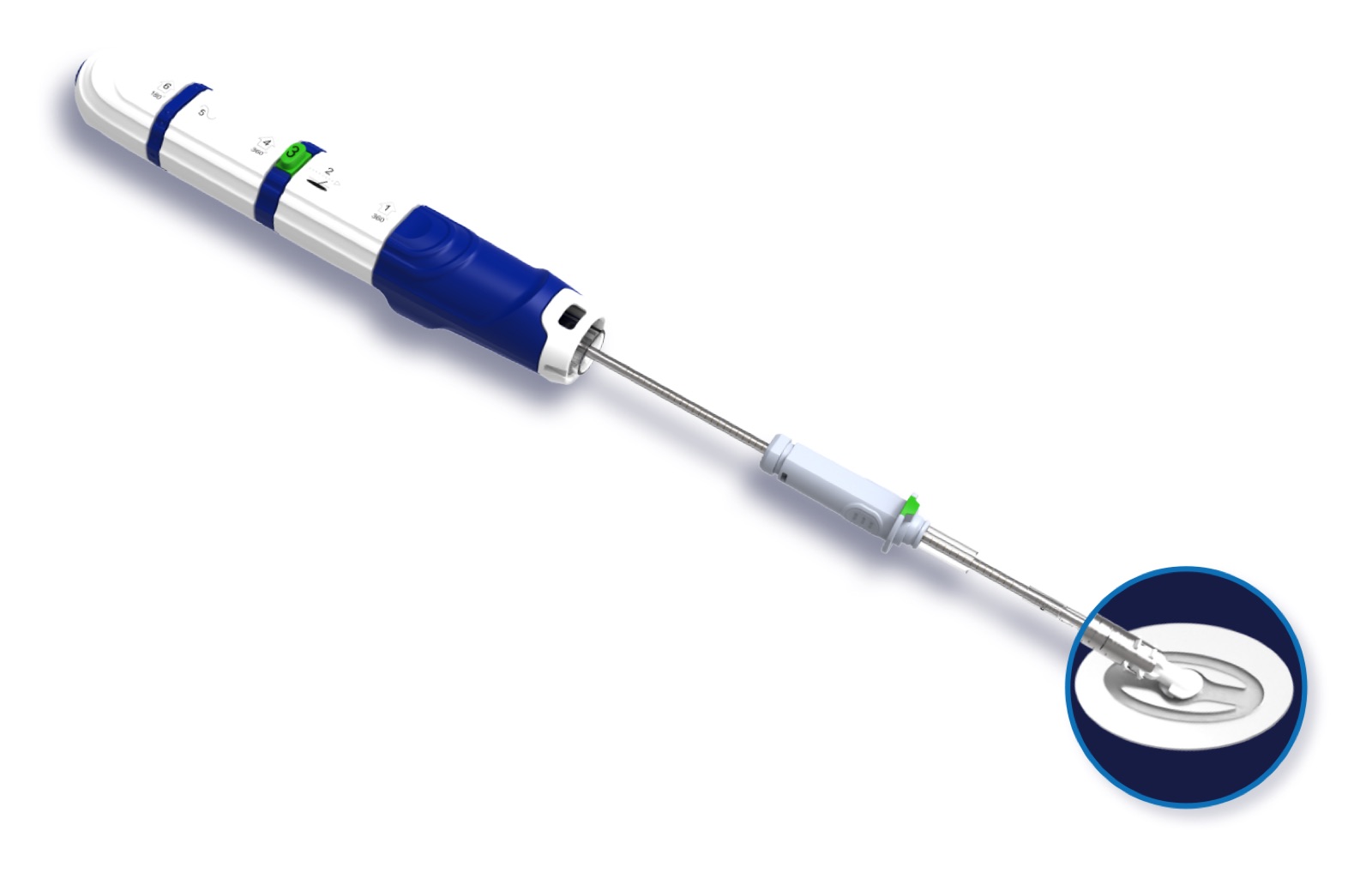
Haemonetics said Oct. 19 that the Food and Drug Administration approved PerQseal Elite, the large-bore vascular closure device it gained when it bought Vivasure Medical in January. FDA's premarket approval database shows the agency approved the application Oct. 16.
The approval, P250015, was issued to Vivasure, of Galway, Ireland. FDA received the application June 16, 2025, about 16 months before the decision.
Why it matters: The approval gives Haemonetics a U.S. product from a deal that included €100 million in cash up front and up to €85 million more tied to sales growth and other milestones. Haemonetics said the approval adds to its U.S. lineup of devices for closing large-bore access sites in endovascular and structural heart procedures.
Haemonetics announced the Vivasure acquisition Jan. 9. It said the €100 million upfront payment came to about €52 million after netting out investments and loans it had already made to Vivasure and other standard closing adjustments, and that it paid with cash on hand. PerQseal Elite received CE marking in Europe in 2025 for arterial and venous use, the company said.
Premarket approval is the FDA pathway for devices in the agency's highest risk class.
FDA's database lists the device under the cardiovascular advisory committee and product code MGB. According to FDA's summary, the application was not referred to an advisory panel.
According to FDA's approval order, the device is indicated for percutaneous closure of common femoral artery punctures after catheter-based procedures that use 14 to 22 French sheaths, covering arteriotomies of up to 26 French.
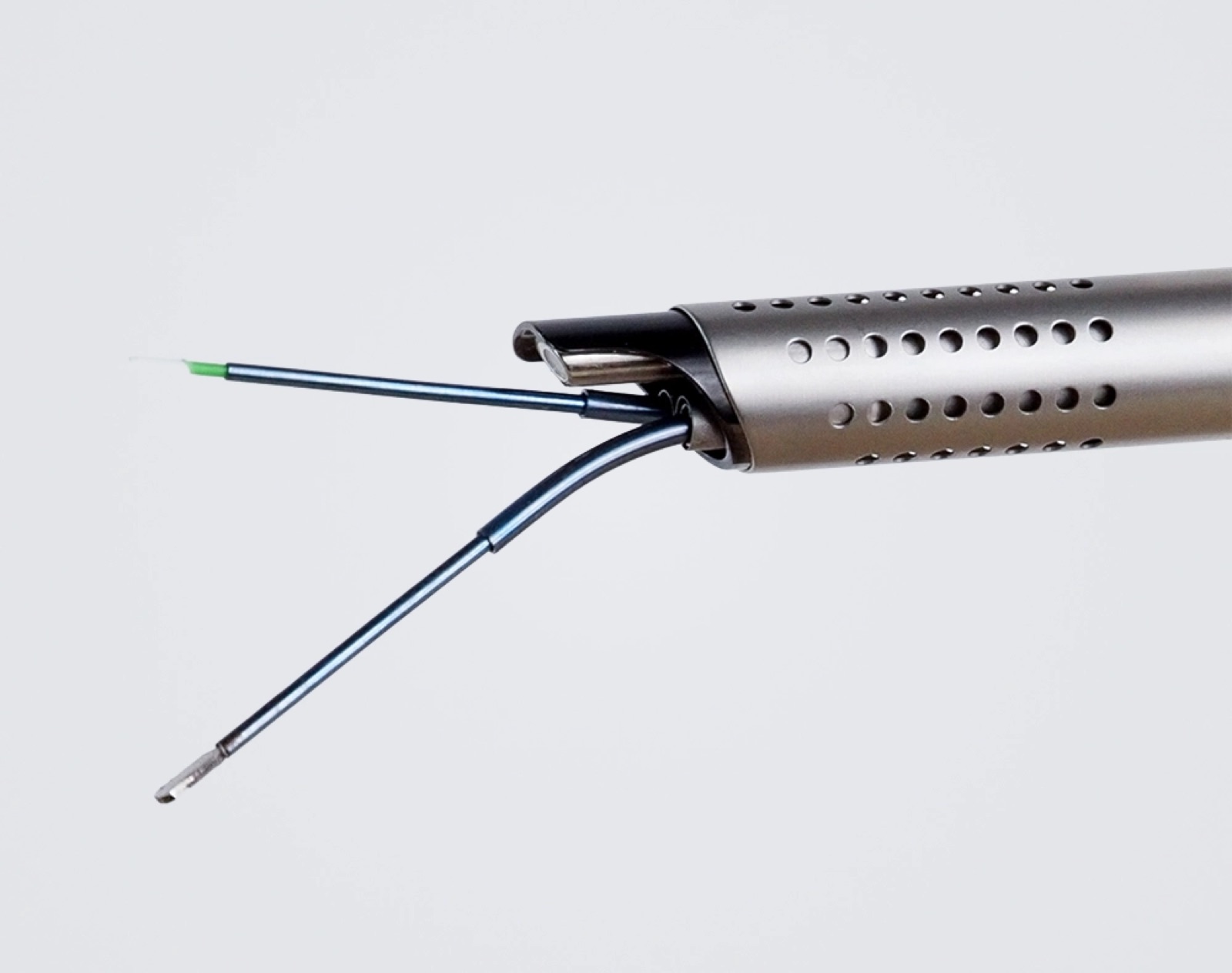
Haemonetics, which trades on the New York Stock Exchange, describes PerQseal Elite as sutureless, with a fully bioabsorbable patch that seals the artery from inside the vessel. The company said physicians can confirm bleeding has stopped while keeping guidewire access, and can reposition or retrieve the device until the implant is released.
The data
FDA's Summary of Safety and Effectiveness Data describes the pivotal ELITE study as a prospective, multicenter, single-arm trial at eight sites that treated 121 patients between September 2023 and September 2025, in procedures such as transcatheter aortic valve replacement and endovascular aneurysm repair.
According to the summary, the study met its primary safety endpoint. Major access-site complications caused by the device within 30 days, as judged by a clinical events committee, occurred in 3.4% of patients, or 4 of 118, against a performance goal of 14.05%. Mean time to hemostasis was 0.9 minutes in the main analysis population, against a goal of 19.7 minutes.
Haemonetics' announcement cited a different measure from the same study: 0% major complications as defined by VARC-3, which counts vascular access-site complications related to the device within 30 days, and said mean time to hemostasis was under one minute.
"FDA approval represents an important milestone in our strategy to bolster our presence and growth in advanced vascular closure," Jan Hartmann, Haemonetics' senior vice president and chief medical officer, said in the announcement.
What comes next
FDA's summary describes a post-approval study, ELITE ArteREAL, that will enroll at least 150 patients at five or more U.S. centers to characterize the device's safety and performance in routine use, with follow-up through 30 days. Haemonetics said it would present clinical data on the device at the Transcatheter Cardiovascular Therapeutics conference in late October. Its announcement did not give a date for U.S. commercial availability.